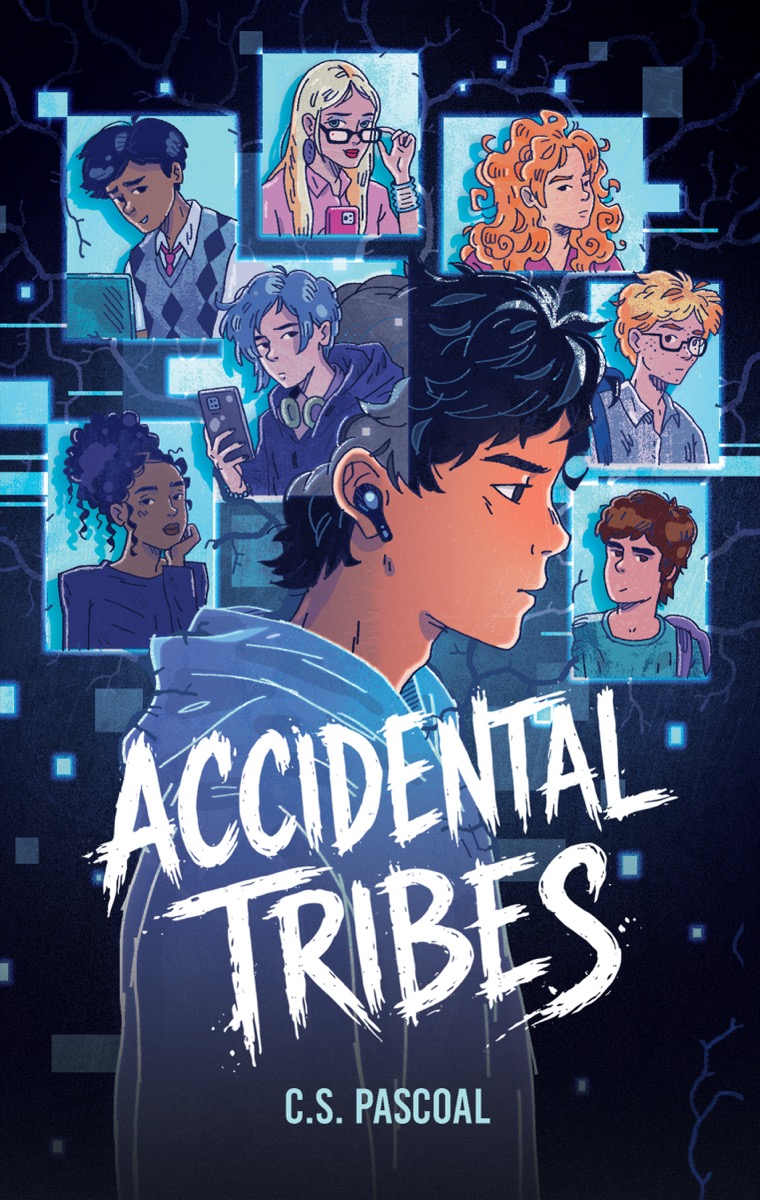
Cyberbullying is one thread in Accidental Tribes, but the story stays close to the people affected. Author C. S. Pascoal talks about writing its consequences through character and choice.
How did you approach cyberbullying without making the book feel like a lecture?
In Accidental Tribes, cyberbullying must be experienced through the characters’ lives: their relationships, their reactions, and the choices available to them afterward. Readers need room to recognize the harm for themselves.
A story becomes meaningful when we care about the person affected. We understand what an incident threatens, what they are afraid to say, and why asking for help may be difficult. That emotional understanding allows the subject to emerge through the reading experience. I wanted the characters to remain people with full lives, including humor, ambitions, and contradictions.
What do you think fiction can show that warnings and assemblies cannot?
Fiction such as Accidental Tribes can give us access to the private experience behind a public incident. We can see what happens after the screen goes dark, when someone is alone with what other people have said or shared.
It also lets us spend time with the choices surrounding the incident. What does a witness do? What does a friend avoid asking? What happens when someone realizes that their silence has consequences? A novel gives those moments space. Readers can consider decisions from several perspectives and recognize questions they might otherwise overlook.
That is one reason I value teen fiction with technology themes. Accidental Tribes allows readers to stay with a situation long enough to consider the person affected, the witnesses, and the choices that could change what happens next.
Where is the line between a mistake and lasting harm?
Accidental Tribes explores how a mistake can cause lasting harm. Intention alone cannot determine the impact. Someone may act impulsively and still cause serious damage. Accountability requires looking honestly at that impact and taking responsibility for what happens next.
The word “mistake” should allow room for growth while preserving the seriousness of what occurred. A person may need to acknowledge the harm, change their behavior, and accept that repair takes time. The affected person also has needs and boundaries. I’m interested in how those realities can coexist without making anyone’s experience disappear.
About the Author
C. S. Pascoal is a technology and social-impact entrepreneur and the author of Accidental Tribes. Based in New York City, she founded UnBoxMe and has worked at the intersection of technology, entrepreneurship, and social impact.
Book website · Instagram · TikTok · YouTube · LinkedIn